
Trusted Domestic Violence Lawyer in St. Lucie County
In Need of a Domestic Violence Attorney in St. Lucie County?
If you are facing legal challenges related to domestic violence, you do not have to navigate the system alone. In St. Lucie County, caring legal professionals are ready to stand by your side. The Law Office of Denise Miller serves residents across St. Lucie County, including our city’s growing neighborhoods and surrounding communities, with legal support that understands the unique realities of our region. From our base nearby, our domestic violence lawyers in St. Lucie County know this community: its working families, retirees, service-industry workers, seasonal residents, and long-term locals.
We understand how living in a county with shoreline towns, military service members, retirees, and a mix of incomes can influence the legal and personal dynamics of domestic violence and criminal law matters. Whether you’re on the Treasure Coast commuting across the county or living inland, our attorneys are here to respond swiftly when domestic violence issues arise.
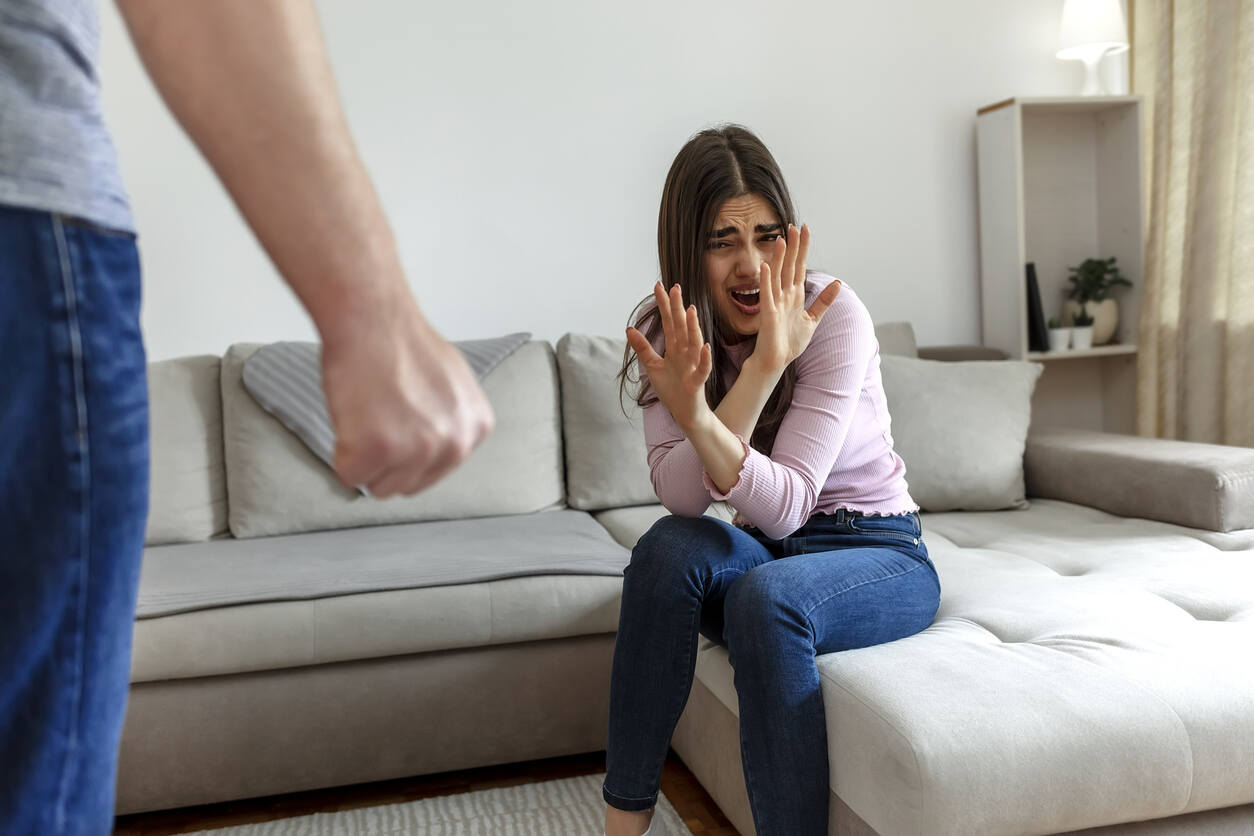
Domestic violence is a serious and complex issue that impacts more than just individual victims; it affects families, communities, and the legal system as a whole. Suppose you’re dealing with allegations, defense issues, restraining orders, or criminal charges. In that case, you need a firm that has experience in domestic violence law in St. Lucie County and understands the local courts, resources, and the stakes.
Family and Community Makeup of St. Lucie County
Understanding who lives in St. Lucie County, and how factors like age, gender, income, education, and ethnicity work, can help you see how domestic violence and legal issues play out locally. In 2023, St. Lucie County’s estimated population was about 374,000.
Domestic violence cases in St. Lucie County can affect both men and women as victims or defendants. While gender plays a role in relationship dynamics, both sexes experience and are accused of domestic violence, making balanced legal representation essential.
The median age of people living in St. Lucie County is about 45 years, with roughly 20% under 18, and 24% aged 65 or older. This mix of young families and retirees means domestic violence cases can involve a wide range of life situations, from child safety to elder abuse. Legal strategies must reflect these differing vulnerabilities and needs.
The county’s median household income is about $69,000. Economic stress, financial dependence, or unstable employment can heighten the risk of domestic violence and complicate legal responses. Financial hardship can also make it harder to access quality legal protection or leave abusive situations.
Only about 17% of residents hold a bachelor’s degree. Lower education levels may limit awareness of legal rights and access to supportive resources, emphasizing the need for clear communication and community-based legal guidance.
St. Lucie County’s population is approximately 60% White, 21% Black, 12% of two or more races, and 7% Asian, Native American, Pacific Islander, or other races. This cultural diversity can create barriers such as language or mistrust of legal systems, requiring culturally sensitive legal services that meet varied community needs.
Domestic Violence Statistics in St. Lucie County
While exact numbers for every year in St. Lucie County may be limited, we do have meaningful data for context. According to the St. Lucie County Sheriff’s Office website, under Florida law section 741.28, F.S., domestic violence includes assault, battery, sexual assault, stalking, kidnapping, false imprisonment, between family or household members. A recent local news report stated that domestic violence cases were up about 12% in Martin and St. Lucie Counties.
Types of Domestic Violence
Domestic violence encompasses far more than physical harm. It can take many forms, each damaging in distinct but deeply interconnected ways.
Under Florida law and in St. Lucie County, domestic violence is defined to include:
- Physical abuse includes behaviors such as hitting, slapping, choking, or the use of weapons.
- Emotional & psychological abuse involves manipulation, verbal degradation, threats, humiliation, and attempts to control a partner’s actions or decisions.
- Sexual abuse includes unwanted sexual contact, coercion, or assault.
- Financial abuse can occur when one partner controls or restricts access to money, forbids employment, or manipulates financial resources to enforce dependency.
- Stalking & harassment, whether in person or online, persistent unwanted contact, digital monitoring, or following can create persistent fear and anxiety.
- Coercive control & isolation, like cutting off access to family and friends or dictating daily activities, further reinforce the abuser’s power.
Recognizing these behaviors early is crucial to preventing escalation and ensuring safety. When individuals and their communities are able to identify the warning signs of abuse, they are better equipped to intervene before harm intensifies.
Early awareness not only empowers victims to seek help and access legal protections but also allows families, friends, and service providers to connect those at risk with critical resources, ultimately breaking cycles of violence and fostering safer, more resilient communities.
In practice, this means that an incident of a former partner threatening to return repeatedly, or controlling a person’s movements, or pushing someone during an argument, all may trigger legal issues and protective-order applications. For residents in St. Lucie County, recognizing all the types of abuse helps you see when a legal response is necessary and timely.
Local Trends and Affected Populations
As noted earlier, reported domestic violence matters in this region are increasing. Nationally and statewide, the trend is similar. Underreporting means actual occurrences may be higher than recorded numbers. With the mix of ages of St. Lucie County residents, variable incomes, and some pockets of economic stress, trends often show two patterns:
- Younger adults who often work in service, retail, hospitality, or seasonal roles may face domestic violence tied to economic strain, housing instability, or substance abuse.
- Older adults who potentially have health issues or mobility limitations may find themselves vulnerable to elder partner abuse or financial coercion, and legal representation becomes vital.
Additionally, as the county’s population grows, the community sees more households, more complexity, and more pressure on local systems, which can affect how quickly protective orders are processed or how evidence is gathered. For you, this means that acting early gives you better positioning rather than waiting.
Economic and Social Costs
The consequences of domestic violence extend far beyond the individuals directly involved, creating ripple effects throughout the community. Victims often face significant medical and mental health expenses, stemming from both physical injuries and emotional trauma. Many also experience lost income or job instability as a result of missed work, forced relocation, or ongoing safety concerns.
Housing and relocation costs place additional burdens on victims and their families when they must seek new, secure living situations. Public systems also bear substantial court, law enforcement, and social service expenses, including shelter support, counseling, and legal aid.
Children exposed to domestic violence may suffer from lasting emotional harm, disrupted education, or cycles of learned abuse that carry into adulthood. Collectively, these costs weigh heavily on St. Lucie County’s families, employers, and community institutions, reinforcing the importance of early intervention and accessible legal protection.
The Advantage of Working with Our Local Firm in St. Lucie County
At the Law Office of Denise Miller, our domestic violence attorneys in St. Lucie County provide a full spectrum of legal services tailored for domestic violence matters. When facing domestic violence, the choice of attorney matters, not just in legal skill, but in local presence, responsiveness, and trust. Below is an overview of our services and how they are especially relevant for local residents.
Domestic Violence Services Tailored to Our Community
Here are some of the most common and complex services our St. Lucie County domestic violence lawyers offer, particularly relevant in our county:
Criminal Defense in Domestic Violence Cases
If you’re charged with domestic violence in St. Lucie County, whether assault, battery, stalking, or false imprisonment, you need a lawyer familiar with the local courts and the St. Lucie County Sheriff’s Office procedures. Our goal is to protect your rights, seek reduced charges or diversion, and manage bail or pre-trial release effectively. We work to minimize convictions, avoid restraining orders when possible, and reduce long-term impacts on your record and reputation. This local approach is especially important in a tight-knit community where employment and relationships are often interconnected.
Injunctions for Protection Against Domestic Violence
Under Florida Statute 741.30, victims or those at risk can petition for a civil protective order in St. Lucie County without a filing fee. Our firm helps prepare petitions, collect evidence, represent clients at hearings, and coordinate enforcement with law enforcement. St. Lucie County includes both urban and rural areas, and because of this, local familiarity ensures faster and more effective results. We also assist clients in obtaining and maintaining “HOPE Cards,” providing tangible proof of their injunction for added safety.
Post-Conviction and Collateral Consequences
After a domestic violence conviction or injunction, long-term effects can include job loss, custody limitations, firearm restrictions, and immigration challenges. We guide clients in St. Lucie County through expungement or record-sealing processes and help mitigate these lasting impacts. Many residents build long-term lives here, making it essential to protect future employment, housing, and community opportunities. Our approach focuses on restoring stability and helping clients move forward confidently within their community.
Child Custody, Visitation, and Family Law Intersection
Domestic violence claims often surface in divorce or custody disputes in St. Lucie County, where courts carefully weigh protective-order histories. We represent parents seeking fair child custody or defending against allegations, aligning strategies across both criminal and family courts. Our team works closely with the St. Lucie County Family Division to ensure balanced outcomes that protect children’s well-being. Local family dynamics, such as shared parenting across nearby cities, require familiarity with county-specific parenting norms and court expectations.
Law-Enforcement Cooperation and Pre-Trial Risk Assessment
The St. Lucie County Sheriff’s Office and local courts use specific domestic-violence protocols and risk assessments that directly affect how cases progress. We advise clients on police procedures, prosecutorial tendencies, and proactive defense strategies such as evidence preservation or compliance documentation. Understanding local definitions of “household or family member” under Florida law is key to accurate case handling. Our local insight ensures clients are prepared for how domestic violence allegations are treated from the moment of arrest through pre-trial review.
Common Local Needs
Here are a few legal services frequently required in St. Lucie County, with local context:
- Protective Order Filings in the County: Many clients need to file injunctions quickly due to repeated incidents or escalating threats. Locally, the process involves the St. Lucie County Clerk’s Family Division.
- Criminal Charges from Household Incidents: Whether in the city of Port St. Lucie, Fort Pierce, or unincorporated areas, domestic violence incidents may lead to arrests, and clients need representation that knows local court calendars and plea practices.
- Victims Seeking Legal Advice or Representation: Many victims in St. Lucie County face barriers, including transportation, variable incomes, language, and fear of retaliation. We help connect victims with protective orders, criminal case participation, and victim services referrals.
- Family Law Overlap: Custody matters are frequent, especially when children witness or are affected by domestic violence in St. Lucie County; courts will view protective orders, prior incidents, and local resources.
- Cultural and Economic Diversity: St. Lucie County’s mix of retirees, seasonal residents, service workers, and long-time locals means that one size does not fit all. Legal services must be adapted to different living situations.
- Local Institutional Dynamics: Major local institutions like hospitals and schools play roles in reporting or supporting domestic violence cases; an attorney must understand how those institutions in St. Lucie County respond, what resources they have, referral patterns, and how that influences legal strategy.
What Makes Our Approach Different
When you need a domestic violence lawyer in St. Lucie County, you want an experienced legal partner who is firmly immersed in this community. At the Law Office of Denise Miller, we have:
- Deep understanding of St. Lucie County community dynamics. Our office operates here, we serve local clients, and know how local neighborhoods, townships, and lifestyle factors shape domestic violence and legal issues.
- Established professional relationships and referral network. We maintain connections with St. Lucie County victim-services organizations, law enforcement, the local clerk’s office, family-court staff, and community advocates. That means when you contact us, we can act quickly and coordinate across local systems.
- Knowledge of local preferences, procedures, and informal practices. Knowing how domestic violence hearings run in St. Lucie County, how protective-order petitions are handled, and how local prosecutors view domestic violence arrests or cases can make a big difference.
- Local reputation and community standing. Being part of this community means understanding not just the law, but how local culture, employers, schools, and neighborhoods respond to domestic violence cases. That insight helps during negotiations, court appearances, and strategy.
Domestic violence situations often evolve rapidly, especially where there may be children, shared homes, or tight-knit local social networks. Getting legal assistance quickly is critical. If you or someone you care about is dealing with threats, assault, stalking, or abuse by a family or household member, the sooner you act, the stronger your position can be.
Our door is open, we’re ready to stand with you. Contact the Law Office of Denise Miller at (772) 934-6007 today, and let’s discuss how our St Lucie County domestic violence attorneys can assist your case during a free, confidential consultation.
Frequently Asked Questions for a Domestic Violence Attorney in St. Lucie
Can domestic violence charges be dropped if the victim changes their mind?
In Florida, once charges are filed, only the State Attorney’s Office can decide to drop them, not the alleged victim. The prosecutor may still pursue the case even if the victim recants. A domestic violence attorney in St. Lucie County can work with prosecutors to show why the evidence is weak or the incident was a misunderstanding. This local insight can sometimes convince the State to dismiss or reduce charges. The sooner your lawyer is involved, the better your chances of achieving a favorable outcome.
Will a domestic violence conviction show up on my record?
Yes, domestic violence convictions in Florida are permanent and cannot be sealed or expunged. This means they will appear on background checks for employment, housing, and licensing. A St. Lucie County domestic violence lawyer can sometimes help you avoid a conviction through reduced charges, diversion programs, or case dismissal. Preventing the conviction is critical because the long-term consequences can follow you for years. Taking quick action with skilled legal help is essential.
What happens at a first appearance hearing after a domestic violence arrest?
Your first appearance occurs within 24 hours of arrest, where a judge reviews the charges and sets bond conditions. The judge may issue a no-contact order that prevents you from returning home or seeing your family. Having a domestic violence attorney in St. Lucie County at this stage ensures someone argues for reasonable bond and fair release terms. Your lawyer can also request modifications to allow limited contact when appropriate. Early representation sets the tone for your defense moving forward.
What is the difference between “domestic battery” and “simple battery”?
The main difference lies in the relationship between the accused and the alleged victim. Domestic battery involves a family or household member, while simple battery does not. A St. Lucie County domestic violence lawyer understands how these distinctions affect penalties, evidence, and available defenses. Domestic cases often carry stricter consequences, such as counseling requirements and firearm restrictions. Knowing how your charge is classified helps shape your defense strategy.
What are the penalties for domestic battery in Florida?
A misdemeanor domestic battery conviction can carry up to one year in jail, probation, and mandatory counseling. If the case involves serious injury or a weapon, it could be charged as a felony with harsher penalties. A St. Lucie County domestic violence lawyer understands how local judges and prosecutors handle these cases and can seek alternative resolutions. The goal is to minimize or eliminate jail time and protect your criminal record. Every case is unique, and tailored defense strategies matter.
What if the accusations against me are completely false?
False or exaggerated allegations happen more often than people think, especially during heated family disputes. You have the right to defend yourself and present evidence that disproves the claims. A St. Lucie County domestic violence lawyer can collect witness statements, phone records, and other evidence to show inconsistencies in the accuser’s story. This proactive defense can often lead to dropped charges or acquittal. Truth and timing are key in these situations.
What is a “no-contact order,” and how long does it last?
A no-contact order prohibits you from communicating with or approaching the alleged victim. It usually lasts until the case is resolved unless modified by the court. A St. Lucie County domestic violence lawyer can file a motion to amend or remove the order if circumstances change or both parties consent. Judges may allow limited or indirect contact if it’s safe and appropriate. Violating the order without approval can have serious consequences.
Can I enter a diversion program instead of going to jail?
In some cases, especially for first-time offenders, you may qualify for a pretrial diversion or intervention program. Completing the program can result in dismissal of charges. A domestic violence attorney in St. Lucie County can determine your eligibility and advocate for your acceptance. These programs typically include counseling or community service rather than incarceration. It’s a valuable second chance to clear your record and move forward.
Are domestic violence cases public record?
Yes, most criminal court proceedings in Florida are public, meaning anyone can access them. However, certain personal details may be redacted to protect privacy. A domestic violence attorney in St. Lucie County can advise you on how to minimize public exposure and protect your reputation. In some cases, your lawyer can petition to seal related civil injunction records. Managing privacy is an important part of a comprehensive defense.